Building narrative power
Industries have spent decades shaping what feels ‘normal’ about animals. Our research helps campaigners and communicators shape what feels possible instead.
Narratives are the big ideas that shape how we see the world.
They influence what we believe, how we make sense of events and issues, and what feels right or wrong. Most of the time we don’t notice them, they just feel like common sense.
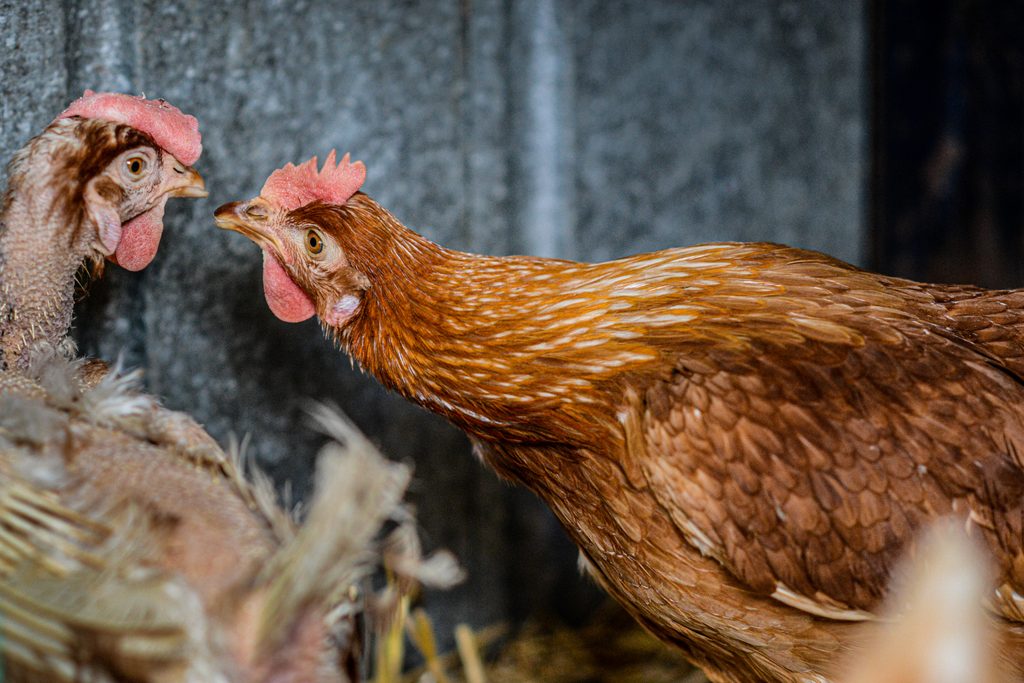
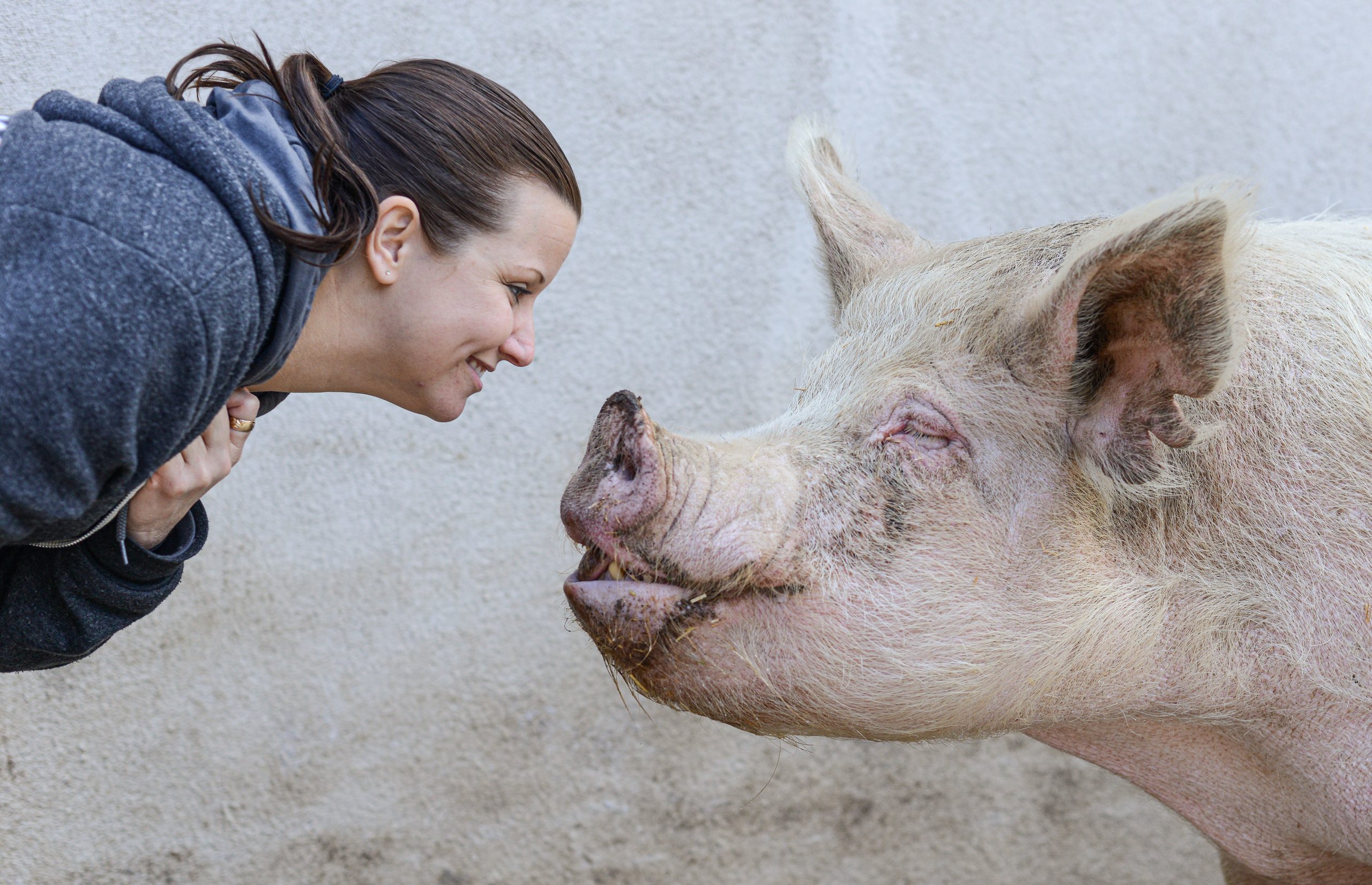
Narratives come to life through the words, images, messages, and stories around us. Individual stories add up to narratives. Films like Babe, Okja and books like Charlotte’s Web add up to the idea that pigs are intelligent, feeling individuals. Jaws showed sharks as ‘ruthless killers’. Each story reinforces a bigger idea about who those animals are.
Right now, the dominant narratives cast other animals as ‘resources’, ‘pests’, ‘test subjects’, ‘property’, ‘entertainment’… the industries that use them reinforce this through framing. Words like ‘livestock’, ‘culling’ and ‘high welfare’ hide what’s being done, and make using animals feel normal, natural, necessary, and even nice.
The narratives we reinforce shape the world we create.
Without a shift in narrative, even hard-won changes can be rolled back. Narratives shape which problems get noticed, and which solutions seem acceptable or possible. That’s why narrative change has been central to so many social justice movements.
Narratives become common sense through repetition. It’s why industries spend so heavily on advertising and PR. We don’t have their budgets, but we can be just as strategic – challenging harmful narratives, reinforcing helpful ones and seeding new ones until they shape what society sees as normal, acceptable and possible. That’s how we drive narrative change.
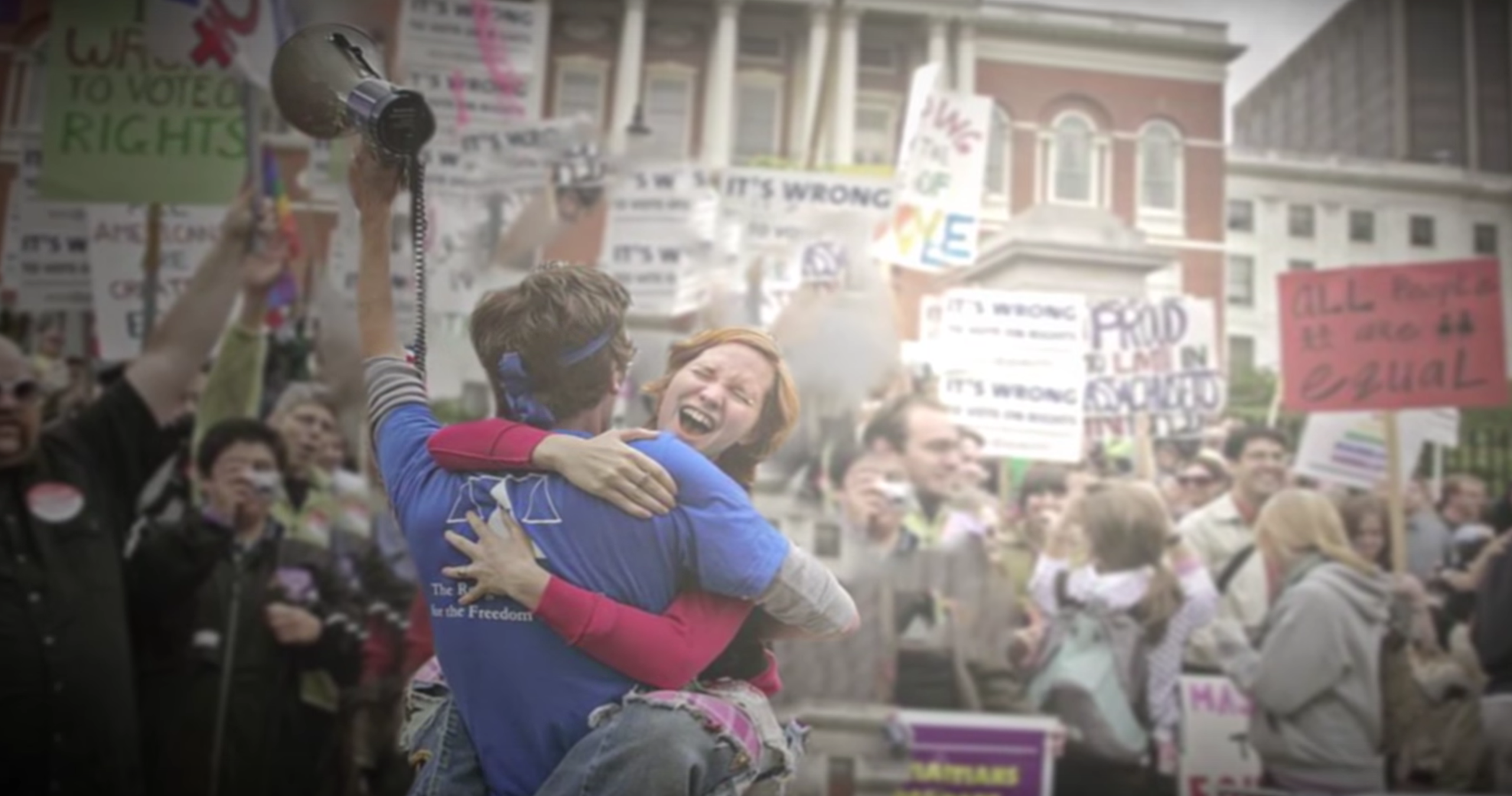
History shows us that narrative change can lead to social change.
Freedom to Marry moved away from talking about ‘gay rights’ and tax benefits, and towards shared values of love, commitment and freedom. This campaign showed what a future could look like if everyone could celebrate their love in front of family and friends. And it helped build public support behind marriage equality becoming law across the US in 2015.
Together for Yes shifted Ireland’s abortion debate away from individual rights, which polarised voters, and towards care and compassion.
Instead of asking ‘should abortion be legal?’, it asked what kind of country people wanted Ireland to be.
In 2018, the referendum repealed the ban by a wide margin.
Both of these are examples of social justice movements that were rooted in a narrative built on values people already held: that marriage as about love and commitment, and that Ireland could be a country defined by care and compassion. Their messages, images and stories brought those narratives to life.

Four persuasive narratives for animal freedom
Our research points to four narratives that can build public support for animal freedom, and help counter the harmful narratives that stand in the way. Of these four, we found Animal Abilities & Inner Lives to be the most persuasive.
Animal Abilities & Inner Lives
Other animals have their own minds, emotions, personalities, relationships and cultures.
Bigger Us
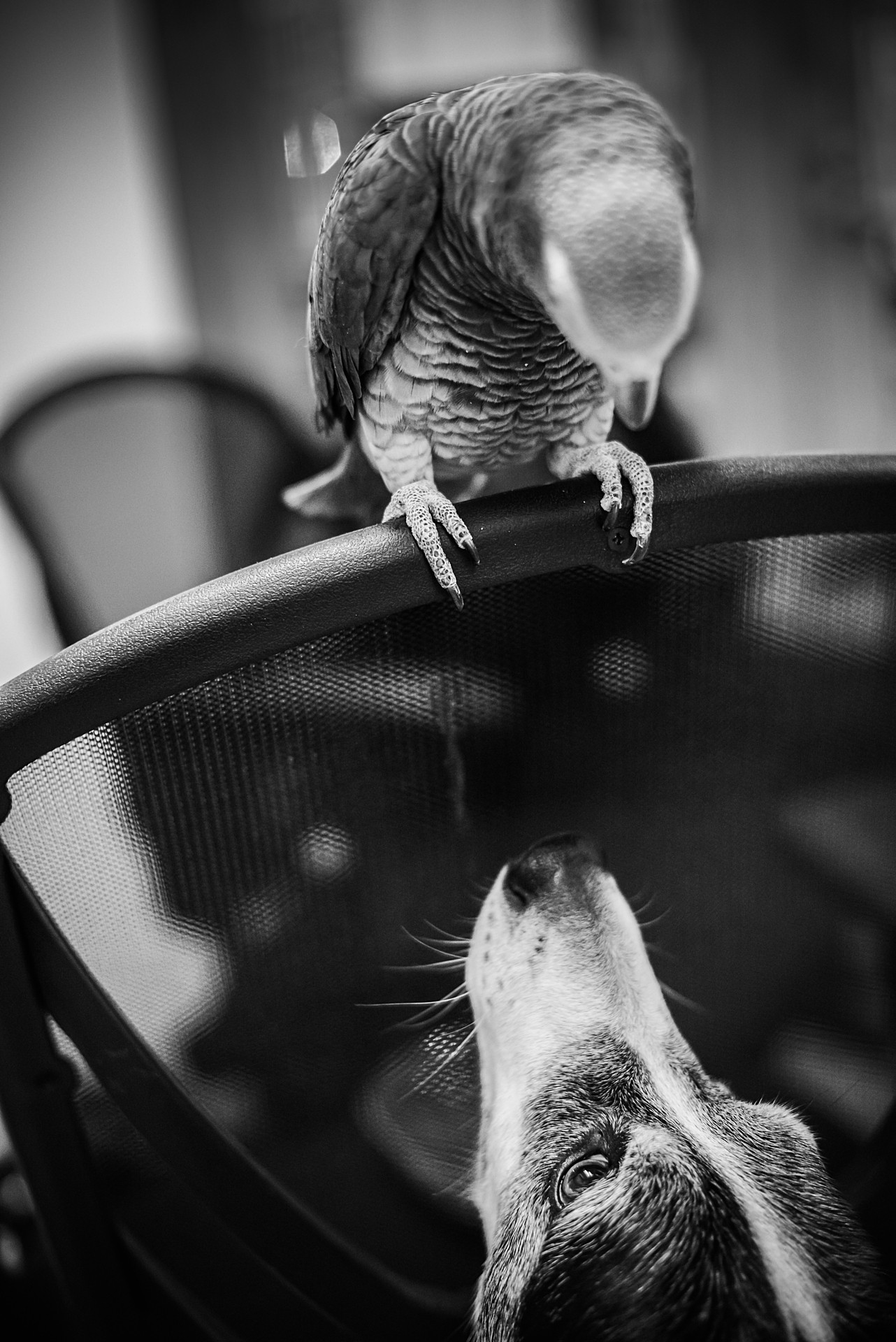
We share experiences and similarities with other animals, and we share the same home.
Values & Morality
As caring people who want a kinder, fairer society, supporting animal freedom is the right thing to do.
Social Progress
Society keeps evolving; animal freedom is the next step, and change is already happening.
Animal Abilities & Inner Lives
Our message testing suggests this is one of the most persuasive narratives available to us, and a foundation for much of what else we communicate.
Animal Abilities is about who other animals are and what they can do. Inner Lives goes further, into their experience: what an animal knows, wants, chooses, remembers and fears.
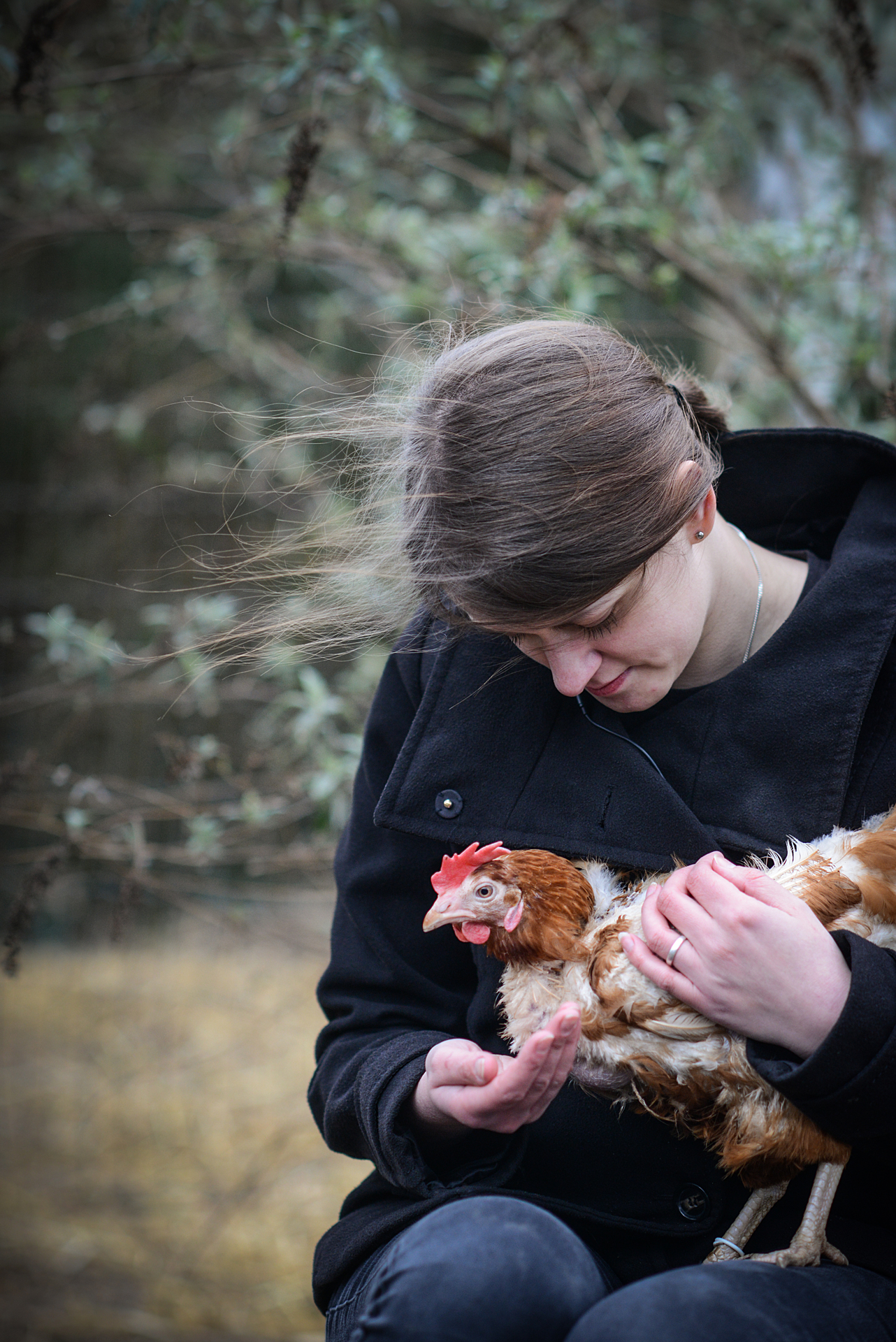
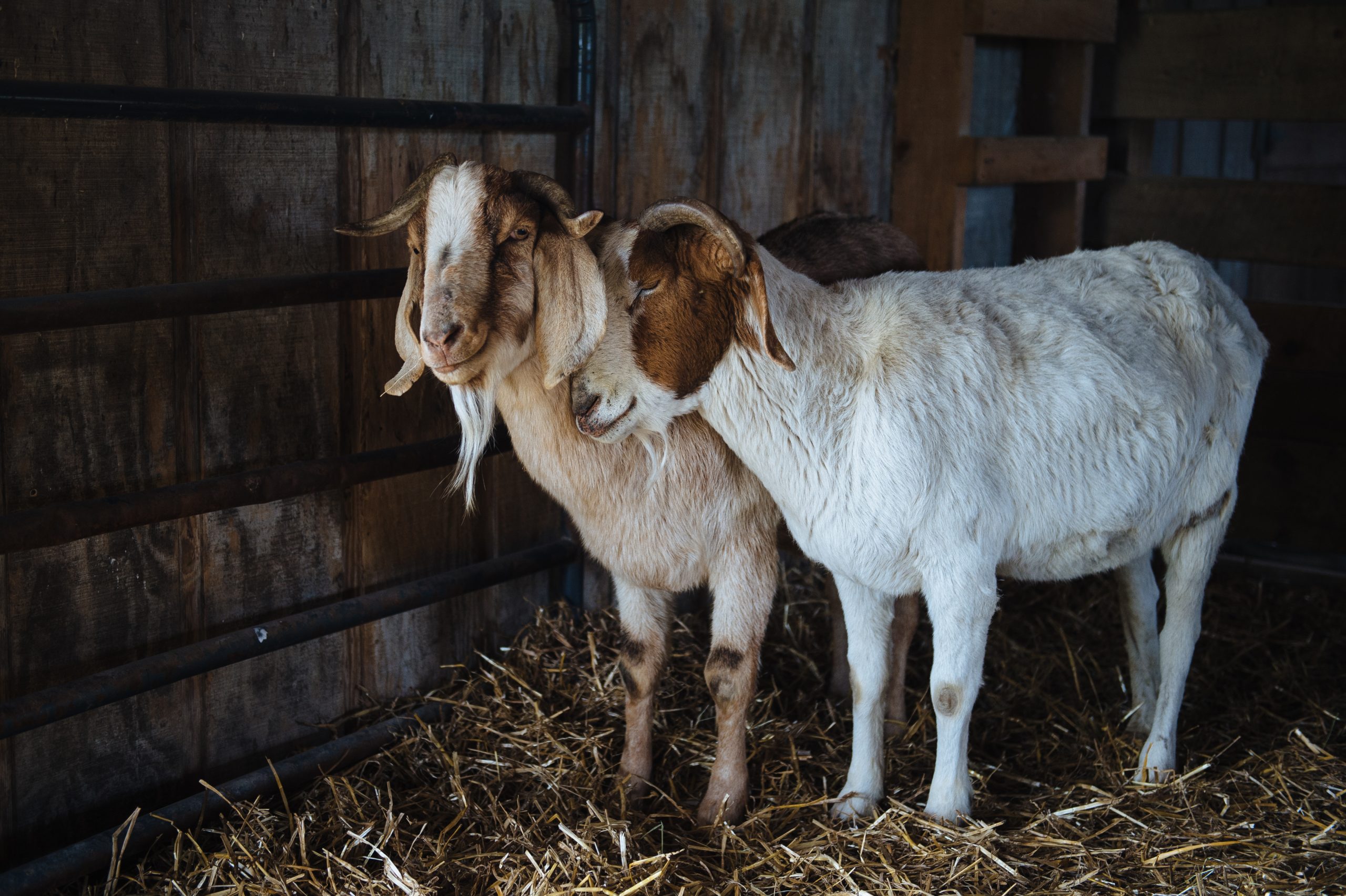
It’s about more than emotions and family. An animal’s inner life can include the choices they make, their individual personality, what they remember and anticipate, their friendships, and the knowledge, culture and play they share with others.
Why it works
In our message testing with over 4,000 people in the UK, messages centred on animals shifted attitudes in a positive direction and prompted people to reflect on food, harm and the status quo – without being asked to. Seeing the world from an animal’s perspective also changes how harm is understood: there’s the physical pain, but also everything animals are prevented from being.
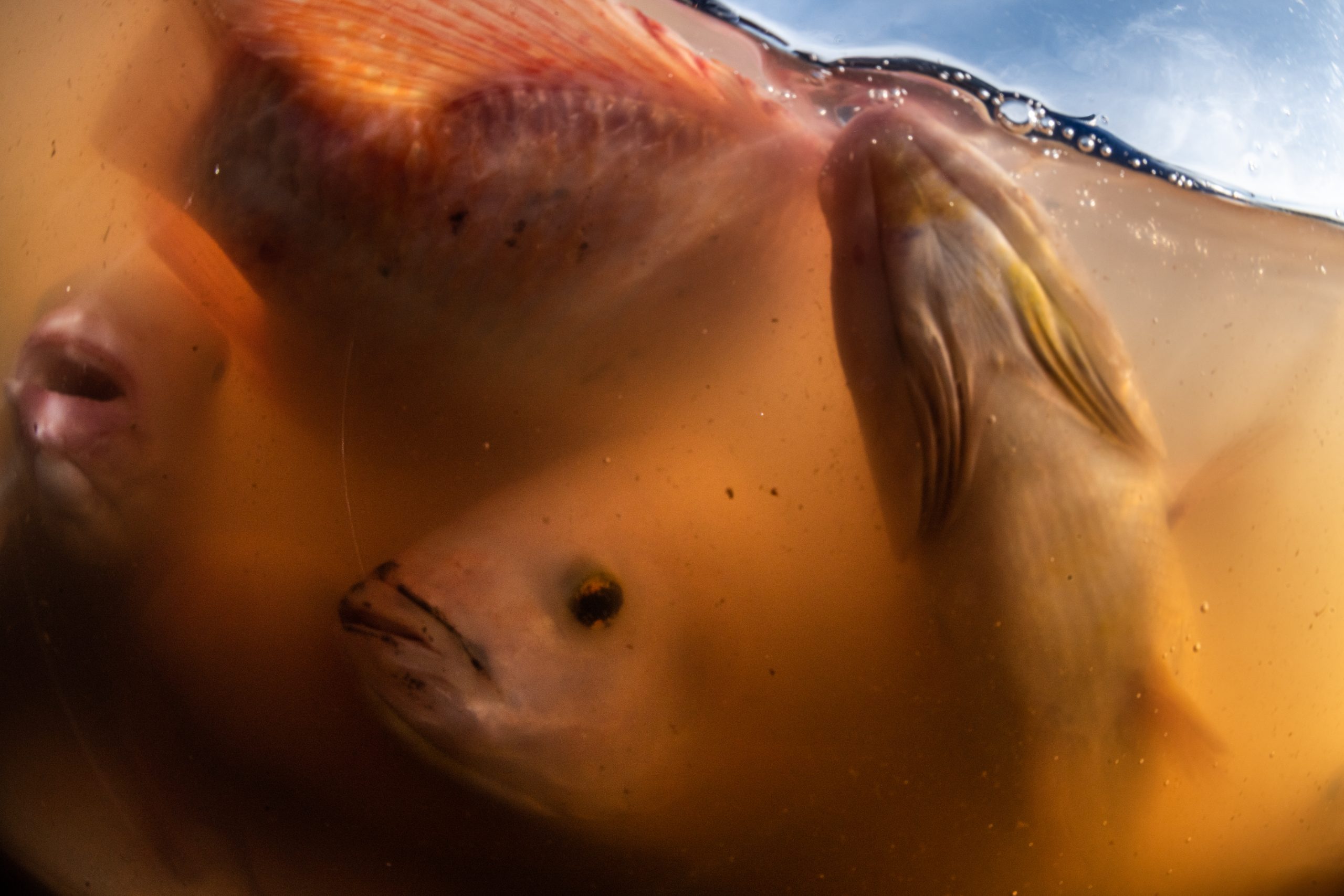
We’ve seen it work before. Whales were once feared as ‘monsters of the deep’. Over decades, recordings of the whale song, nature documentaries and films helped people see them as intelligent creatures, emotional beings with cultures of their own. Once people felt differently about whales, they acted differently – and public support for protecting them grew.
Find out how you can apply this in practice. Contact us here.
Building narrative power together
Other social justice movements show us that narrative matters, and that movement collaboration matters too. It’s when a diversity of voices unify behind a shared narrative that it can begin to gain traction.
That means being clear about what we’re for. If our only message is that we’re against cruelty, this can reinforce a welfare frame. If people understand that we want all animals to be free to be themselves, it reinforces a freedom frame. By emphasising that we all want a society rooted in kindness, fairness and respect, we can show how animal freedom benefits everyone, other animals included.
Start here
Or get in touch, we’d love to chat.